Utility expenses are a significant operating cost for many organizations, but understanding exactly where that money is going can be a challenge. With multiple facilities, utility providers, service types, billing structures, and constantly changing rates, organizations can quickly accumulate a large amount of data without having a clear picture of what it means.
Instead of simply collecting utility bills and filing them away, organizations can use detailed reporting and analytics to understand consumption, identify trends, monitor performance, and make more informed decisions about their energy and utility strategy with utility reporting services.
What Are Utility Reporting Services?
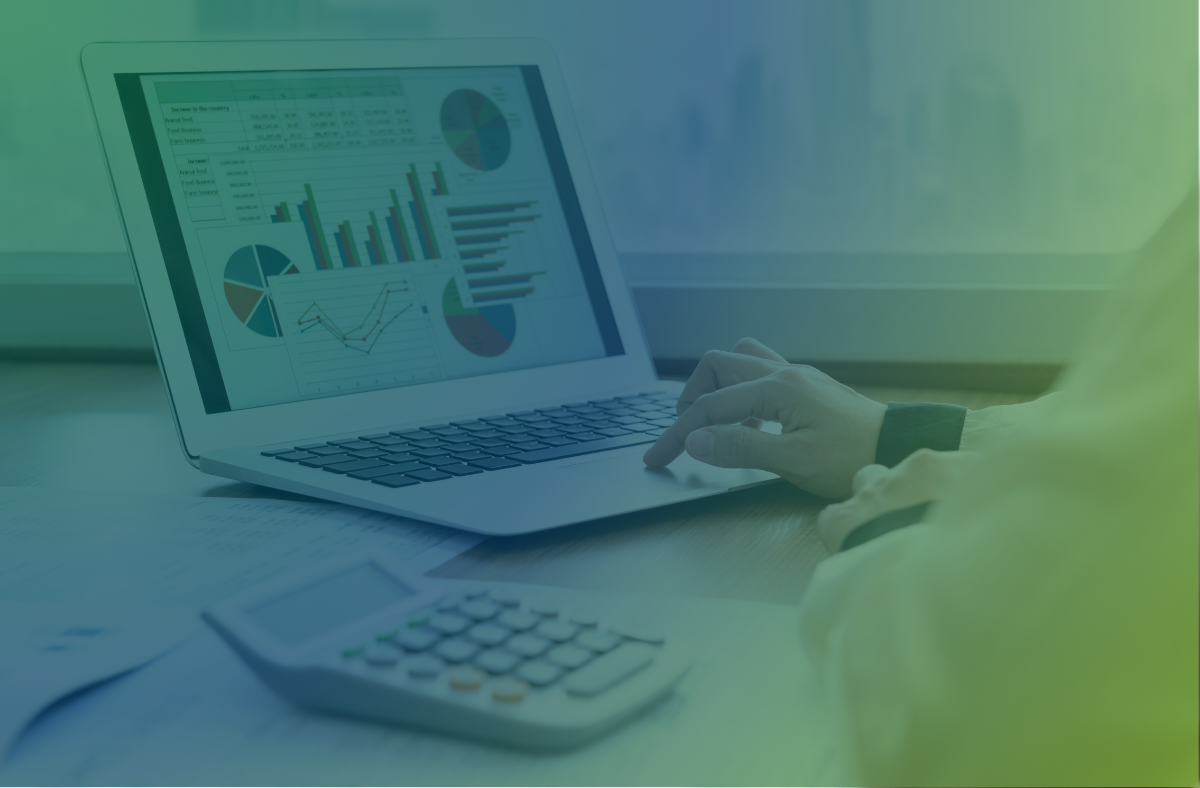
Utility reporting services provide organizations with greater visibility into their utility data by collecting, organizing, analyzing, and presenting information in a way that makes it easier to understand.
Rather than sorting through individual bills or spreadsheets, decision-makers can access meaningful information about utility costs and consumption across locations and time periods.
The goal isn’t simply to generate another report. It’s to turn utility data into actionable insight.
Why Utility Data Matters
Your utility bills contain more information than just the amount you owe.
They can reveal:
- How much energy a facility consumes
- How consumption changes over time
- Which locations have the highest utility expenses
- How rates and usage are affecting costs
- Where unusual consumption patterns may exist
- How facilities compare with one another
- Whether efficiency initiatives are producing results
Without consistent reporting, these insights can be difficult to identify.
A comprehensive reporting strategy gives organizations the visibility they need to move from reactive utility management to proactive decision-making.
What Can Utility Reporting Help You Track?
Utility Costs
Understanding where your utility dollars are going is the first step toward better cost management.
Reporting can help organizations monitor expenses across facilities, utility types, billing periods, and providers. With a clearer view of spending, organizations can identify trends and investigate unexpected increases.
Consumption Patterns
Looking beyond cost to actual consumption can provide additional insight.
Tracking usage over time can help identify seasonal trends, changes in facility performance, or unexpected increases that may warrant further investigation.
For organizations with multiple locations, comparing consumption across facilities can also highlight opportunities for improvement.
Performance Metrics
Utility reporting can help organizations establish and monitor key performance metrics.
Depending on the organization’s goals, this could include tracking consumption, costs per facility, year-over-year changes, or other measures that provide insight into operational performance.
Consistent reporting also makes it easier to measure progress over time.
From Data to Better Decisions
One of the biggest challenges with utility data isn’t a lack of information, it’s knowing what to do with it.
A report can tell you that utility costs have increased. The real value comes from understanding why.
Was the increase caused by higher consumption? A rate change? Seasonal conditions? A change in facility operations? An issue with a bill?
The right reporting process can help provide the context needed to answer those questions.
With better visibility, organizations can make more informed decisions about budgeting, energy management, facility operations, and long-term utility strategy.
The Benefits of Centralized Utility Reporting
For organizations managing multiple facilities, centralized reporting can be especially valuable.
Greater Visibility
Bring utility information together so decision-makers have a clearer view of overall performance.
Easier Budgeting
Historical utility data and consumption trends can provide useful information for forecasting and planning future expenses.
Faster Identification of Issues
Unexpected changes in consumption or costs can be easier to spot when data is consistently tracked and analyzed.
Improved Accountability
Establishing consistent metrics makes it easier to measure performance and determine whether initiatives are delivering results.
More Informed Energy Strategies
Utility data can support broader decisions around energy procurement, efficiency initiatives, sustainability efforts, and facility management.
Why Reporting Should Be More Than a Monthly Spreadsheet
A spreadsheet can contain a lot of information without necessarily providing useful insight.
Effective utility reporting should make information accessible, understandable, and actionable.
Instead of spending hours compiling data from individual utility bills, teams can focus their time on understanding what the data is telling them and determining what actions should come next.
That shift from collecting data to using data is where utility reporting becomes a strategic tool.
How Renodis Helps
Managing utility data across multiple locations can be time-consuming. Renodis helps organizations simplify that process with Utility Reporting Services designed to provide greater visibility into utility costs, consumption, and performance.
Our team leverages utility data to help organizations identify trends, monitor performance, and make more informed decisions about their utility strategy.
Whether you’re looking to better understand your current utility spending, identify opportunities for improvement, or establish a more consistent reporting process, having the right data can be the first step.
Make Your Utility Data Work Harder
Your utility bills shouldn’t just tell you what you owe. They should help you understand how your organization is performing. With the right reporting strategy, utility data can become a valuable resource for identifying trends, controlling costs, improving efficiency, and planning for the future.
Ready to get more from your utility data?
Learn how Renodis Utility Reporting Services can help turn your utility information into actionable insights. info@renodis.com